

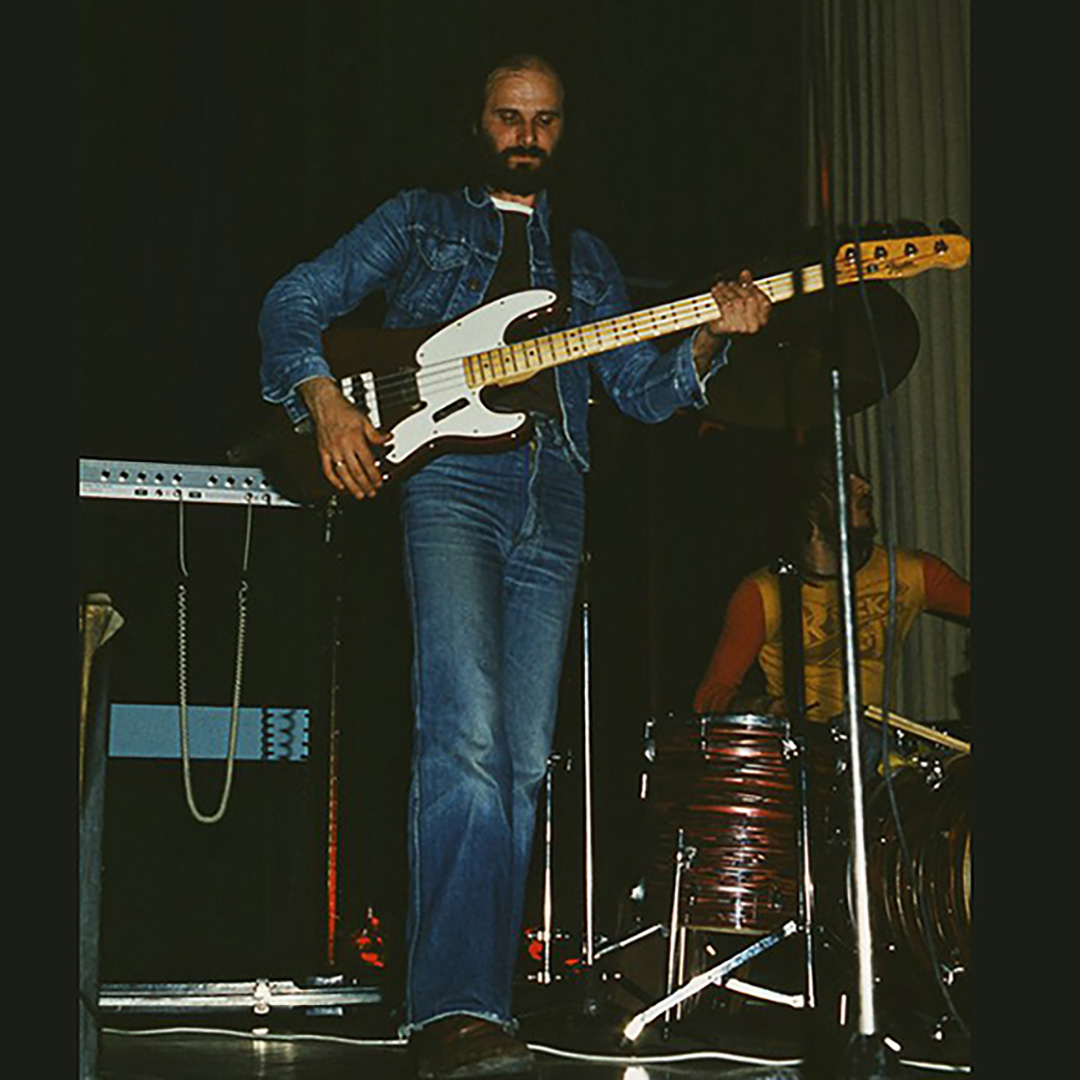
Dusan Cucuz is one of the most famous bass players of the 60s and 70s in Belgrade. In a career spanning more than 20 years, Cucuz has recorded numerous recordings, both with the TAKO group and with various supporting projects (Opus, Srdjan Marjanovic, etc.).
DUSAN CUCUZ Biography
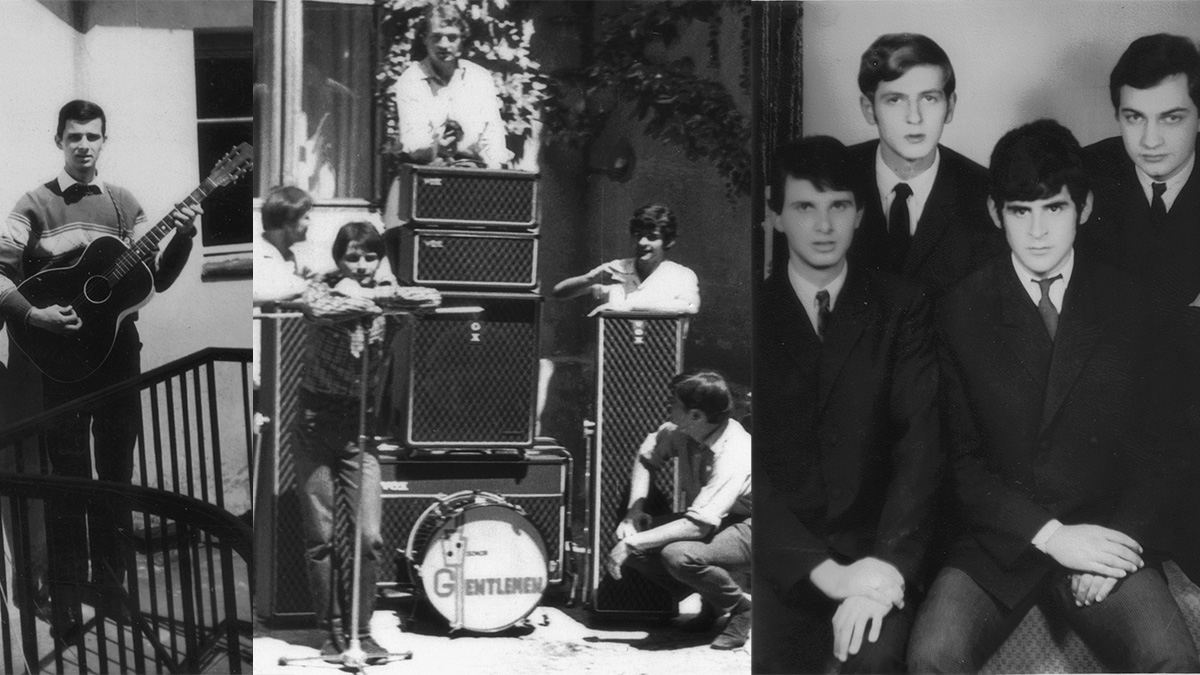
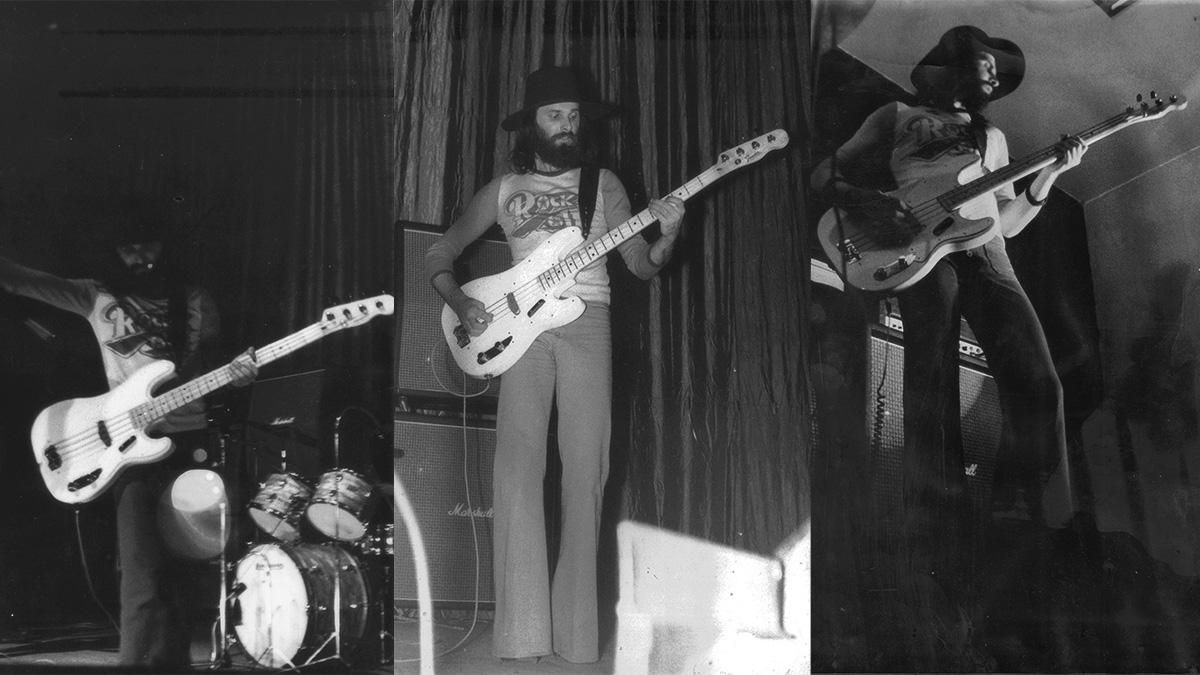
After constant cooperation in the fall of the same year, YU Group and Dule decided that Dule would organize the performances. The cooperation lasted until the fall of 1973, when the group OPUS was formed from former YU Group members. They were Mive Okruglić on the organ, Bata Kostić on the guitar, Velibor Bogdanović - Boka on drums and Dule Ćućuz on the bass guitar.
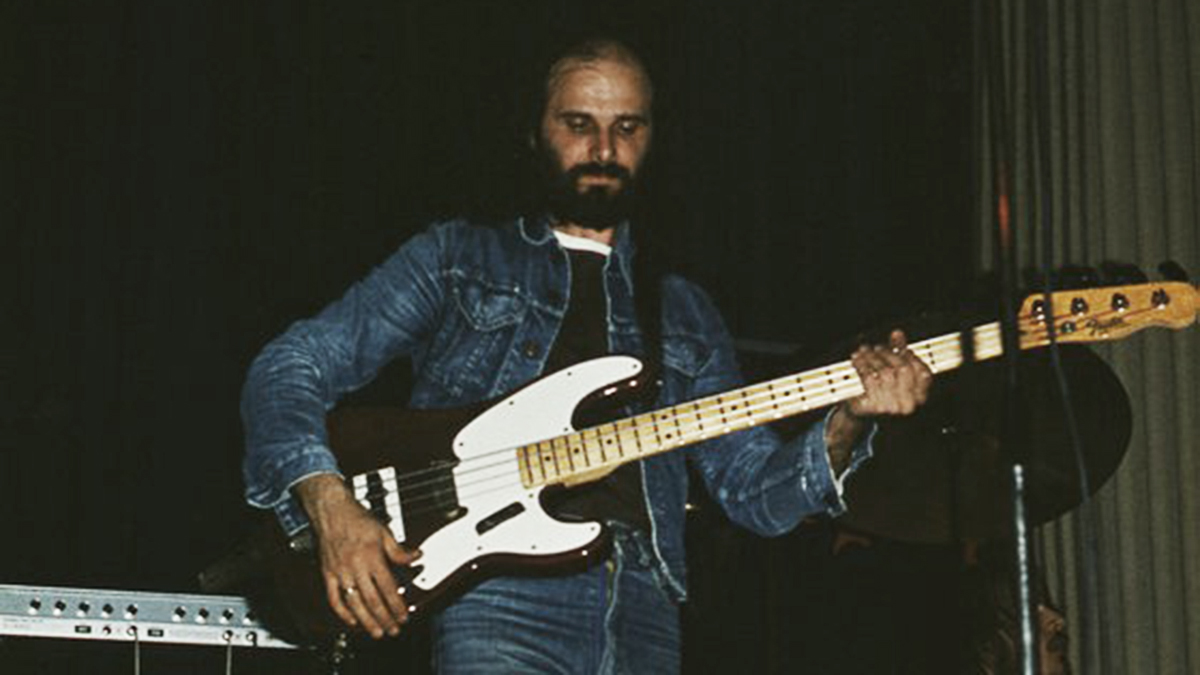
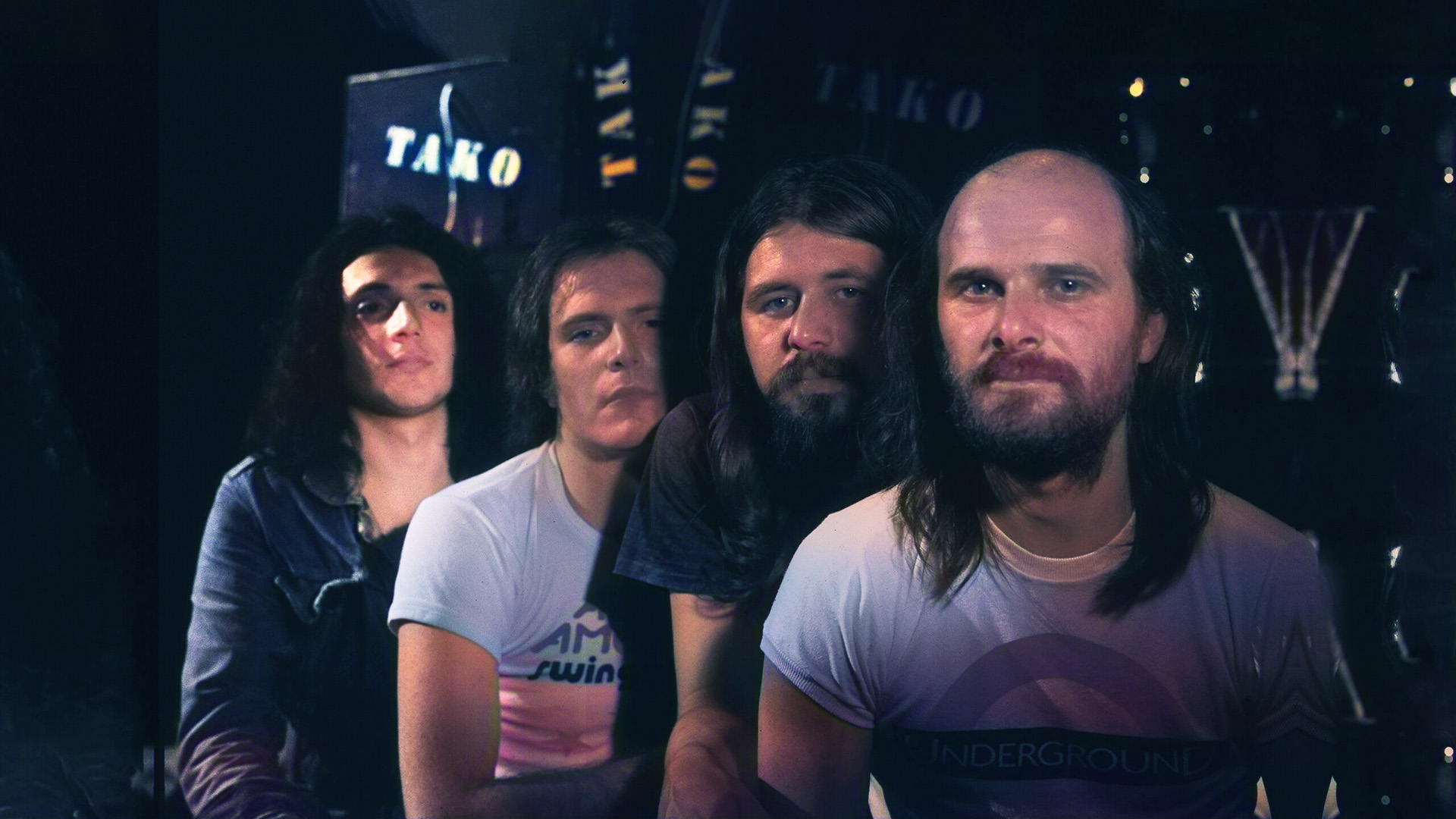
In 1974, after the members of the OPUS group went their separate ways, Dušan Ćućuz-Dule decided to found a new group with the idea of calling it TAKO. During the period in which he was looking for suitable collaborators for the group, Dule and the drummer of the first line-up of the group TAKO, Milan Lolić, performed with the singer-songwriter Srdjan Marjanović. In the same period, Dule met Djordje Ilijin from Sremska Mitrovica, a student of Ethnology, who had a similar musical orientation, which was established through the exchange of ideas at joint rehearsals. Sava Bojić, who at that time left the first line-up of the group Pop Mašina. The group made three demo recordings in that line-up and had a significant performance with several groups at a humanitarian concert in Pionir hall. During 1975, in the studios of Radio Belgrade, they made the first recordings "Čujem svoje misli", "Daždevnjak", "Lena" and "Cudan grad". At the beginning of 1976, Sava Bojić left for the JNA and the new guitarist became Miroslav Dukić-D Mirro, at that time with the nickname Geza (ex group Koren, born in 1953). They spent the summer of 1976 playing in the International Youth Center in Dubrovnik. After several months of practice and the change of several drummers, with the arrival of Slobodan Felekatović, the final line-up of the group TAKO was formed, which worked together for the next five years and made two LPs editions..

Felekatović did very well in the compositions of the group TAKO, and the group immediately started performing. Since they wanted to create music without compromise, just as they feel, the simple name TAKO gave meaning to their musical commitment. Due to their non-commercial nature, it was difficult for them to break through on the stage at first. For the next year, the group played regularly, with a significant performance at the legendary Bijelo Dugmet concert on August 28, 1977, at the Hajdučka Česma in Belgrade, which was followed by a tour of the stadiums and sports halls of the largest cities of Yugoslavia, where TAKO performed as the opening act for Bijelo Dugmet to a wide audience of tens of thousands of people at each concert. On November 23, 1977, together with the group S vramen na vrame, they organized a quadro-sound concert at Dom Omladine, and in the same period, they had a well-received performance at the BOOM rock music festival in the SPENS hall in Novi Sad. The producer of PGP RTV Belgrade, Aleksandar Pilipenko, was waiting for the right opportunity to include the group in the company's publishing program, but the members of the group decided to accept the production offer of RTV Ljubljana in 1978 after performing at the Youth Festival in Subotica. The album was recorded in 36 hours at Studio M in Novi Sad, under unfortunate circumstances for this type of music, because as producer and tone master they got people who had no experience with any direction of rock music, so as a result of that combination of circumstances, the LP record came out with a far worse sound than the group had at live performances. On the debut album "Tako" Ilijin, Ćućuz and Dukić were signed as authors in the compositions "Sinteza", "Drowning of the Sun" light into sandy memory", "Buda se", "The other side of me". In predominantly instrumental themes, they offered their vision of progressive rock music with elements of jazz and classical. They promoted the album with a free concert at Kalemegdan in front of several thousand people.
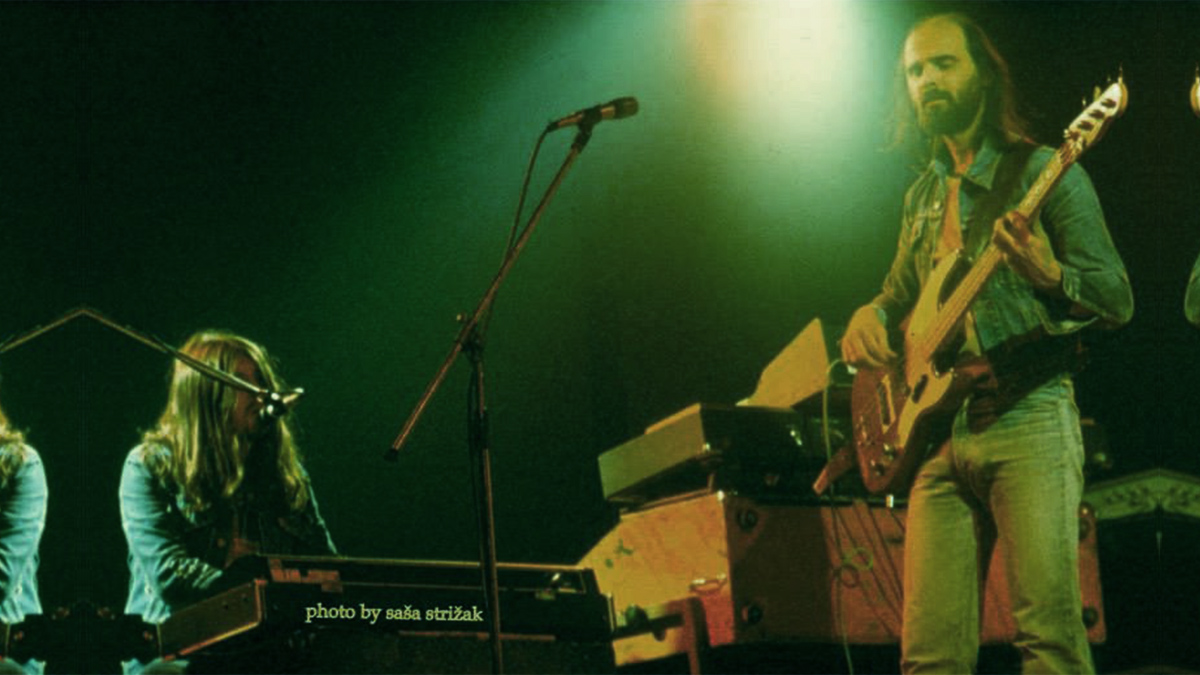
At the beginning of 1979, together with the group S vramen na vrame, they again organized a quadro sound concert in the Youth Center. Then Dukić separated in an attempt to create his own group, while the other members continued to prepare material for the second album.
Cooperation with other guitarists was not successful, so half a year later they continued working in the old line-up with guitarist Miroslav Dukić. The second album "In the sleeping bag" was released in September 1980. The record was conceived more seriously, and each member produced his own composition. After the release of the record, they went on a series of promotional concerts, and they also performed in Zagreb as part of the "Greetings from Belgrade" event. The departure of the drummers to the army, but also the general change in the climate in music, caused by the arrival of the new wave, is the reason why they stopped working. They held their farewell concert at the Belgrade Faculty of Philology in March 1981.
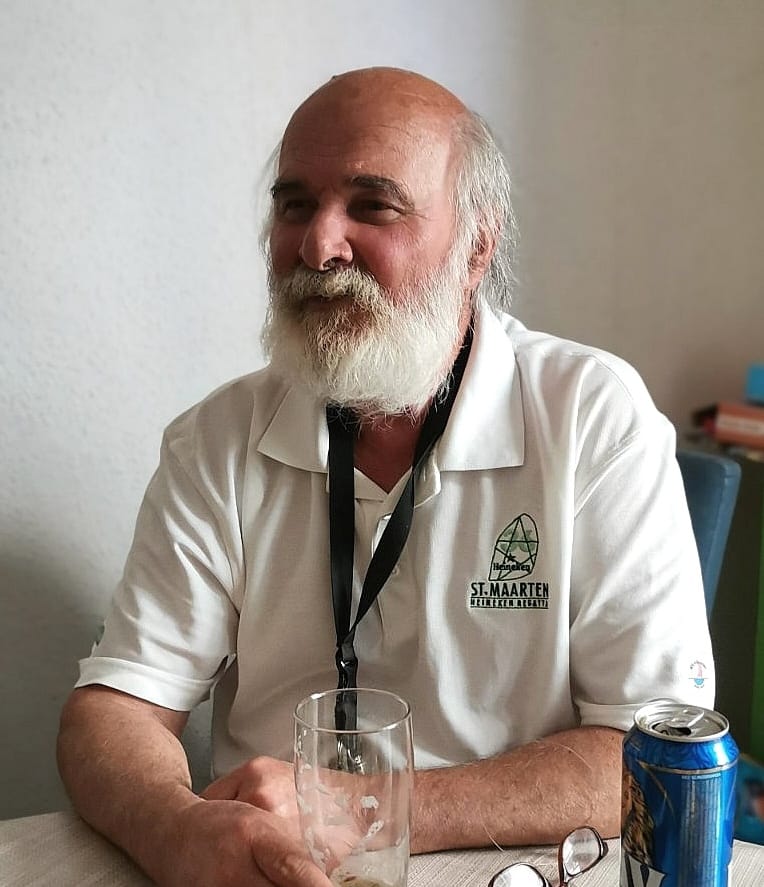
For the next few years, Dušan Ćućuz worked on the sound system for concerts with the groups Kerber, Divlje Jagode, Riblja Čorba and other groups. In 1993, the German publisher Thomas Werner released vinyl reissues of both Tako albums for his record company Kalemegdan Disk. Clad in a new, luxurious cover (the work of Istvan Fujhkin, a painter and designer from Subotica who now lives and works in Toronto), the records also received a musical addition. The bonus composition on the first album is "Put na jug" (Dušan Ćućuz), and on the second "Izgubljeno ništa" (Dušan Ćućuz) and "Horde mira" (Miroslav Dukic-D Mirro). These are original materials recorded at the time the albums were recorded, but due to the length of time they were not included on the vinyl releases. In 1998, the Brazilian record company Rock Symphony made a CD reissue of both albums of the TAKO group with bonus tracks that found their place on the reissues of Kalemegdan Disk. selected compositions from the oeuvre of the TAKO group and released them on the disc "Tako Reloaded" (Art Media Line 2010). In 2015, the Bjesovi group covered the composition "Wake Up" on the Internet edition of "Lights, Lights".
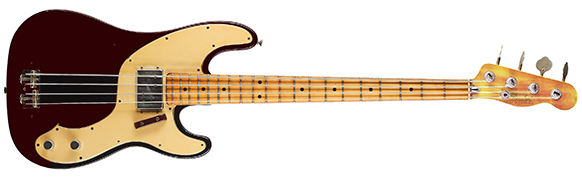
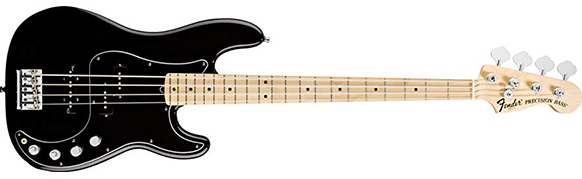
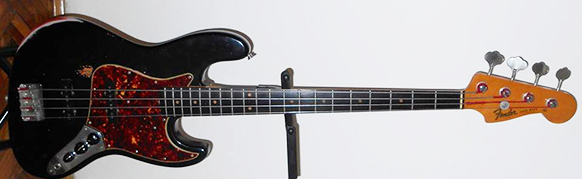
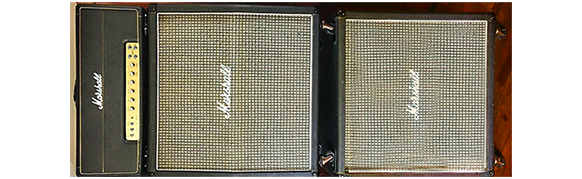 Marshall bass 200w
 HH Bass amp
 Acoustic 360 bass amp with Zoothorn cab